
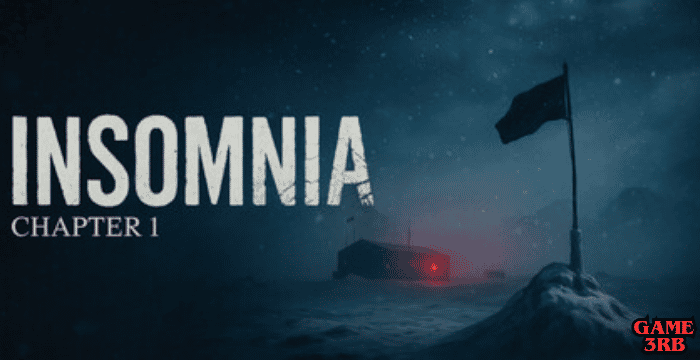
Insomnia: Chapter One is a psychological horror adventure that blends exploration, narrative-driven gameplay, puzzle-solving, and survival elements into a disturbing journey through the blurred boundary between dreams and reality. Set during a period of severe sleep deprivation, the game immerses players in a world where perception becomes unreliable, memories distort, and ordinary places transform into terrifying nightmares.
Designed for fans of atmospheric horror and story-focused experiences, Insomnia: Chapter One emphasizes psychological tension over constant action. Players must investigate unsettling events, uncover hidden truths, and survive encounters with manifestations born from fear, guilt, and exhaustion.
After reviewing the game, BUY the game to support the developer
https://store.steampowered.com/app/3939100/Insomnia_Chapter_One/
Game Overview
The story follows an individual suffering from chronic insomnia who has not experienced proper sleep for weeks. At first, the symptoms seem manageable—fatigue, anxiety, and occasional hallucinations. However, reality soon begins to unravel. Cursemark
Strange figures appear in empty rooms. Familiar locations change without explanation. Conversations occur that nobody else remembers. As the protagonist struggles to distinguish truth from illusion, they become convinced that something is actively manipulating their perception.
The investigation leads through apartments, abandoned buildings, hospitals, forgotten streets, and dreamlike environments where logic no longer applies. Every clue brings players closer to understanding the source of the phenomenon—and the personal trauma hidden at its center.
Key Features of Insomnia: Chapter One
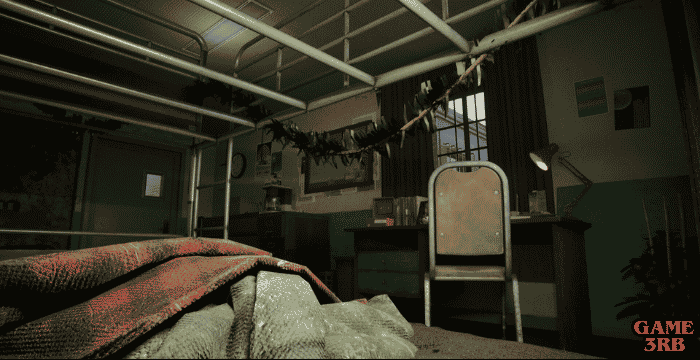
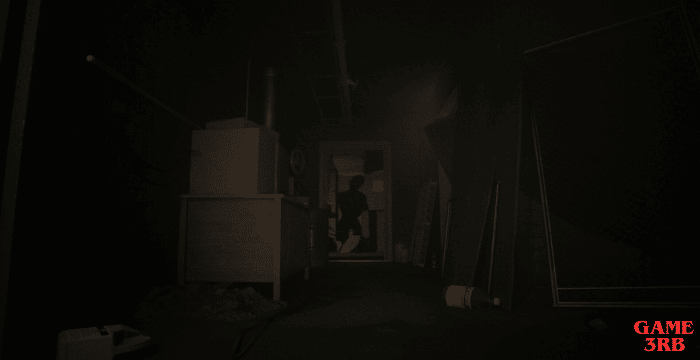
The game includes several features that define its psychological horror experience:
- Story-driven psychological horror campaign
- Atmospheric exploration and environmental storytelling
- Puzzle-solving integrated into narrative progression
- Hallucination and reality-distortion mechanics
- Survival-focused gameplay with limited resources
- Dynamic events influenced by player actions
- Multiple endings based on key decisions
- Rich lore revealed through documents and discoveries
These systems combine to create a tense and immersive horror experience centered around uncertainty and psychological suspense. Arms of God
Gameplay Experience
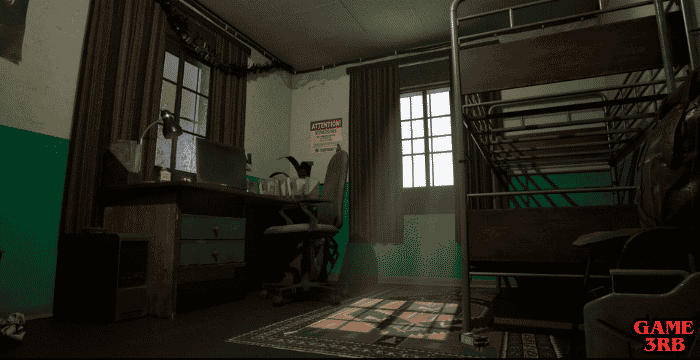
Exploration and Investigation
Players explore interconnected environments searching for clues, documents, recordings, and hidden secrets. Observation is critical, as subtle details often reveal important information. Solarpunk
Reality Distortion
One of the game’s defining mechanics involves shifting perceptions. Rooms may change when revisited, objects may appear or disappear, and events may not unfold the same way twice.
Puzzle Solving
Progression requires solving environmental puzzles tied directly to the story and the protagonist’s mental state. Many puzzles involve interpreting symbolic imagery or reconstructing fragmented memories.
Survival Elements
While not focused on combat, the game includes moments of danger where players must avoid threats, manage limited resources, and make critical decisions under pressure.
Graphics and Visual Presentation
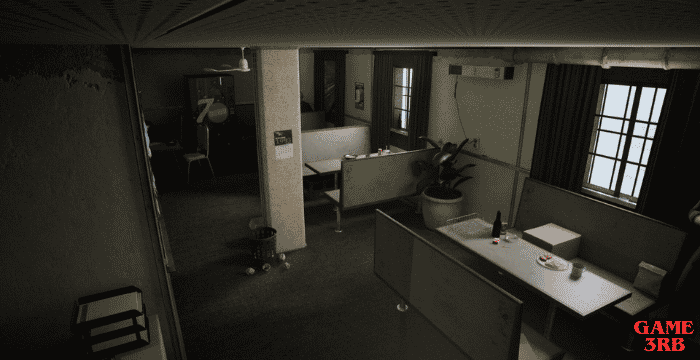
Insomnia: Chapter One features a realistic visual style enhanced by surreal horror imagery. Ordinary environments gradually transform into disturbing dreamscapes filled with impossible architecture, shifting shadows, and unsettling details.
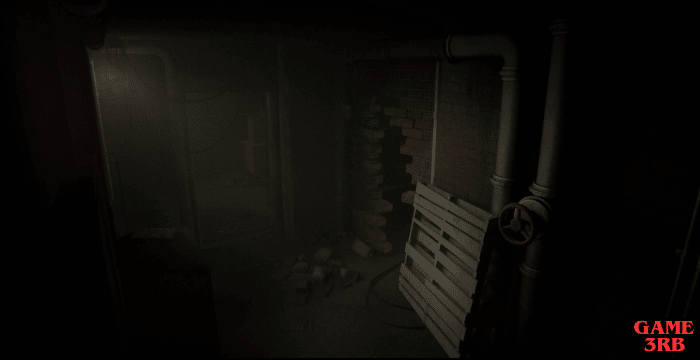
Lighting plays a major role in establishing atmosphere. Dim corridors, flickering lights, and deep darkness contribute to a constant sense of unease. Killer Bean
The audio design is equally important, using distant whispers, environmental sounds, distorted voices, and subtle musical cues to maintain psychological tension throughout the experience.
Themes and Narrative Focus
The story explores themes including:
- Sleep deprivation and altered perception
- Trauma and suppressed memories
- Fear of losing control
- Isolation and loneliness
- The relationship between dreams and reality
- Psychological resilience and recovery
Rather than relying solely on monsters or jump scares, the game seeks to create fear through uncertainty and emotional discomfort.
System Requirements (PC)
Minimum Requirements
- Operating System: Windows 10 / 11
- Processor: Intel Core i5 or equivalent
- Memory: 8 GB RAM
- Graphics: DirectX 12 compatible graphics card
- Storage: Approximately 15–25 GB available space
Players with recommended hardware may experience enhanced lighting effects, improved environmental detail, and smoother overall performance.
Why You Should Play Insomnia: Chapter One
- Deep psychological horror atmosphere
- Strong narrative with mystery and emotional depth
- Creative reality-warping gameplay mechanics
- Memorable environments and visual design
- Thought-provoking themes and storytelling
- Tense exploration and survival moments
- Multiple endings encouraging replayability
The game is ideal for players who enjoy psychological horror titles that focus on suspense, mystery, and narrative immersion rather than pure action.
Final Verdict
Insomnia: Chapter One delivers a haunting psychological horror experience built around fear, uncertainty, and the fragile nature of perception. Through its blend of atmospheric exploration, unsettling storytelling, and reality-bending mechanics, the game creates a persistent sense of tension that lingers long after each session ends.
With its compelling mystery, immersive presentation, and emotionally charged themes, the game offers a strong opening chapter for what could become a larger and even darker narrative. Players looking for a horror experience that challenges both their nerves and their understanding of reality will find plenty to uncover in Insomnia: Chapter One.